

Tessa Young
Kayak Expert

John smith
 Expert Reviewed |Kayak Expert
[timeanddate]
Imagine gliding effortlessly through crystal-clear waters, hands free to cast your fishing line or snap photos of stunning landscapes. That’s the magic of best pedal kayaks – the game-changing watercraft that’s revolutionizing how we experience our time on the water.
Traditional paddle kayaks have served us well, but let’s face it: constantly switching between paddling and your favorite water activities can be frustrating and exhausting. Pedal kayaks solve this age-old problem by letting you harness the natural power of your legs, giving you better control, enhanced stability, and the freedom to truly multitask on the water.
Ready to discover why pedal kayaks are becoming the go-to choice for both recreational kayakers and serious anglers? In this comprehensive guide, we’ll explore everything from essential features and different types to maintenance tips and must-have accessories, helping you find the perfect pedal kayak for your aquatic adventures.

On This Page
- 1 BEST PEDAL KAYAK
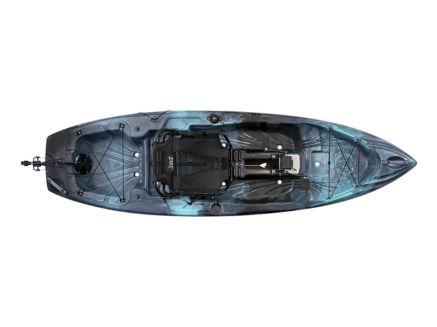
- 2 Perception Pescador Pilot 12 – Trusted Pedal-Drive Fishing Kayak
- 3 Perception Crank 10 – Reliable Pedal Kayak with Comfort Seat
- 4 BKC PK13 – Pro-Grade Pedal Fishing Kayak with Reverse Drive
- 5 Old Town Sportsman PDL 106 – Top-Rated Compact Pedal Kayak
- 6 Old Town Topwater 106 – Lightweight & Stable Fishing Kayak
- 7 Old Town Predator Pedal – Premium Angler Kayak with Rudder
- 8 Old Town Sportsman PDL 106 – Durable Pedal Kayak for Anglers
- 9 Old Town Sportsman Salty PDL 120 – Saltwater-Ready Pedal Kayak
- 10 Understanding Pedal Kayaks
- 11 Benefits Over Traditional Kayaks
- 12 Key Features to Consider When Buying a Pedal Kayak
- 13 Types of Pedal Kayaks
- 14 Pros and Cons of Pedal Kayaks
- 15 Maintenance and Care for Pedal Kayaks
- 16 Conclusion
- 17 FAQS:
- 18 About Author
BEST PEDAL KAYAK
- Perception Pescador Pilot 12 – Trusted Pedal-Drive Fishing Kayak
- Perception Crank 10 – Reliable Pedal Kayak with Comfort Seat
- BKC PK13 – Pro-Grade Pedal Fishing Kayak with Reverse Drive
- Old Town Sportsman PDL 106 – Top-Rated Compact Pedal Kayak
- Old Town Topwater 106 – Lightweight & Stable Fishing Kayak
- Old Town Predator Pedal – Premium Angler Kayak with Rudder
- Old Town Sportsman PDL 106 – Durable Pedal Kayak for Anglers
- Old Town Sportsman Salty PDL 120 – Saltwater-Ready Pedal Kayak

Best kayaks rating
Kayaks Details
- Kayak Type: Sit-on-top fishing kayak
- Weight: 85 lbs
- Maximum Capacity: 475 Pounds
- Product Dimensions: 12″L x 33.75″W
Kayaks Highlighted Features
- Pedal-Drive System
- Adjustable Lawn Chair Seat
- Tackle Storage Areas
- Exceptional Stability
- Spacious 12′ Design
Pros and cons
- Hands-free pedal system.
- Comfortable, ergonomic seat.
- Durable and stable construction.
- Plenty of storage options.
- Ideal for beginners and experts.
- Heavier than standard kayaks.
- Bulky to transport.
- Higher price range.
- Limited to calm waters.
- Requires assembly of pedal drive.
Why it’s the best
The Perception Pescador Pilot 12 stands out with its efficient pedal-drive system and premium, adjustable seat, offering a rare combination of hands-free fishing and exceptional comfort. Its thoughtful design caters to both gear organization and stability, making it a top choice for anglers looking for reliability and performance.
Best kayaks rating
Kayaks Details
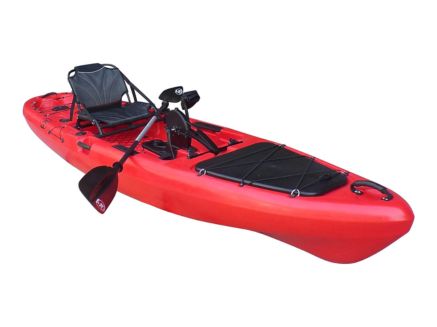
- Kayak Type: Sit-on-Top Pedal Kayak
- Item Weight: 65 Pounds
- Maximum Capacity: 350 lbs
- Product Dimensions: 10″L x 35″W
Kayaks Highlighted Features
- Pedal-Driven System
- Adjustable Lawn Chair Seat
- Compact 10-Foot Length
- Ample Gear Storage
- Durable Construction
Pros and cons
- Hands-free navigation.
- Comfortable adjustable seat.
- Lightweight and portable.
- Great stability for beginners.
- Ample storage for gear.
- Limited speed compared to larger kayaks.
- Not ideal for rough waters.
- Smaller weight capacity for heavier users.
- Higher price than paddle kayaks.
- Limited color options.
Why it’s the best
The Perception Crank 10 stands out with its pedal-driven propulsion system, allowing for hands-free operation—a feature not common in traditional kayaks. Its lightweight and compact design make it easy to transport, while the adjustable lawn chair seat provides unmatched comfort, setting it apart from competitors in the market.
Best kayaks rating
Kayaks Details
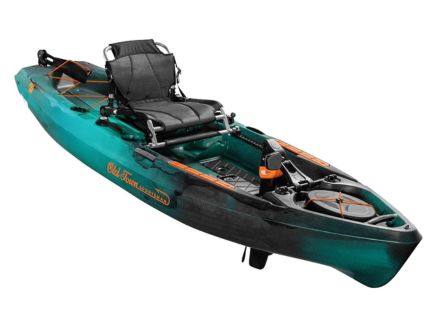
- Kayak Type: Fishing Kayak.
- Item Weight: 80 Pounds
- Maximum Capacity: 550 lbs
- Product Dimensions: 13″L x 33.5″W x 14.5″H
Kayaks Highlighted Features
- Pedal Drive System with Reverse
- Rudder System
- Aluminum Frame Seat
- Ample Storage
- Durable Design
Pros and cons
- Hands-free pedal operation
- Comfortable, ergonomic seating
- Excellent storage options
- Durable build for long-term use
- Great tracking and control
- Not ideal for beginners
- Limited to one person
- Requires assembly of pedals
- Larger size may limit portability
- Higher price point
Why it’s the best
The BKC PK13 stands out with its innovative pedal drive system, providing an effortless, hands-free fishing experience. Unlike many similar models, it features instant reverse capability and a durable aluminum frame seat for unmatched comfort and support. Its combination of advanced functionality, generous storage, and rugged build sets it apart as a premium fishing kayak in the market.
Best kayaks rating
Kayaks Details
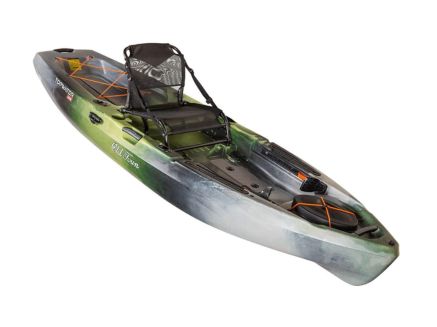
- Kayak Type: Pedal Fishing Kayak
- Item Weight: 76 Pounds
- Maximum Capacity: 450 lbs
- Product Dimensions: 126″L x 36″W x 16″H
Kayaks Highlighted Features
- Pedal Drive System
- Stable Hull Design
- Spacious Storage
- Comfortable Seating
- Accessory-Ready
Pros and cons
- Easy hands-free pedaling
- Compact and lightweight design
- High weight capacity
- Comfortable adjustable seat
- Stable and easy to maneuver
- Not ideal for rough waters
- Higher price point
- Limited length for taller users
- Pedal system adds weight
- Requires occasional cleaning/maintenance
Why it’s the best
The Old Town Sportsman PDL 106 stands out with its robust pedal drive system, which offers hands-free fishing and superior speed control. Its compact design paired with a high load capacity makes it ideal for anglers needing portability without sacrificing performance. Unlike other kayaks, it comes fully equipped for customization, making it a favorite for serious fishing enthusiasts.
Best kayaks rating
Kayaks Details
- Kayak Type: Fishing Kayak
- Item Weight: 73 Pounds
- Maximum Capacity: 440 lbs.
- Product Dimensions: 10’6″L x 34.5″W
Kayaks Highlighted Features
- Ultra-Stable DoubleU Hull Design
- ElementAir Adjustable Seating System
- Gear Storage & Customization
- Universal Transducer Mount
- Lightweight Build with High Capacity
Pros and cons
- Extremely stable design
- Comfortable and adjustable seating
- Ample gear storage options
- Lightweight for easy transport
- Durable and long-lasting construction
- Not ideal for rough waters
- Limited speed potential
- May feel cramped for taller users
- No paddle included
- Premium price point
Why it’s the best
The Old Town Topwater 106 stands out with its Double U hull design, providing a stable and secure platform for fishing. Unlike other kayaks, it manages to combine stability with portability, making it a versatile choice for both novice and experienced anglers. Its specialized features, such as the universal transducer mount and fully adjustable seating, cater specifically to fishing needs, which sets it apart from competitors in the market.
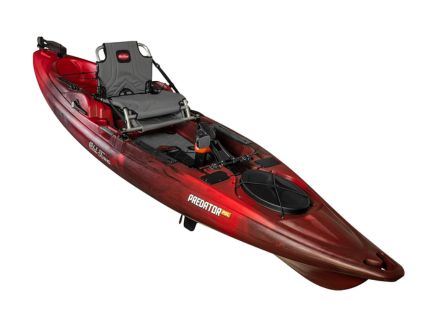
Best kayaks rating
Kayaks Details
- Kayak Type: Fishing Kayak with Pedal Drive System
- Item Weight: 117 Pounds
- Maximum Capacity: 500 lbs.
- Product Dimensions: 164“L x 42″W x 26″H
Kayaks Highlighted Features
- Pedal Drive System
- Rudder Control
- Spacious Deck
- Durable Construction
- Customizable Storage
Pros and cons
- Hands-free pedaling
- Great stability for fishing
- High weight capacity
- Spacious and ergonomic deck
- Durable, long-lasting design
- Heavier than standard kayaks
- Requires assembly for pedal drive
- Price on the higher side
- Not ideal for small storage spaces
- Limited color options
Why it’s the best
The Predator Pedal Fishing Kayak stands out for its pedal drive system, which allows anglers to fish and move simultaneously without relying on paddles. Its rugged design and high weight capacity make it suitable for all-day fishing trips, while the customizable storage options cater to anglers with specialized gear needs. Compared to similar products, it delivers superior stability and maneuverability, making it a favorite among serious anglers.
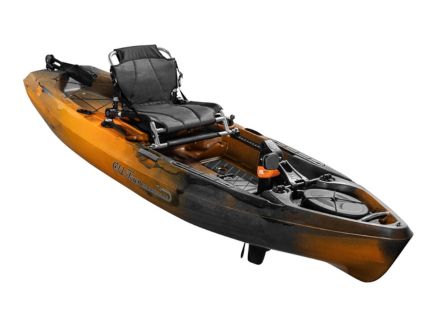
Best kayaks rating
Kayaks Details
- Kayak Type: Pedal Fishing Kayak
- Item Weight: 76 Pounds
- Maximum Capacity: 450 lbs.
- Product Dimensions: 126″L x 36″W x 14″H
Kayaks Highlighted Features
- Hands-Free Pedal Drive System
- Stable Design
- Customizable Storage
- Comfortable Seating
- Durable Build
Pros and cons
- Smooth pedal system
- Stable and sturdy hull
- Ample storage space
- Lightweight and portable
- Comfortable seating
- Higher price point
- Not ideal for small storage spaces
- Limited color options
- May require assembly
- Pedal system maintenance
Why it’s the best
The Old Town Sportsman PDL 106 stands out with its hands-free pedal system and unmatched stability, making it perfect for anglers who need precision and efficiency on the water. Unlike other kayaks, it combines lightweight portability with heavy-duty performance, offering a reliable and versatile solution for fishing enthusiasts.
Best kayaks rating
Kayaks Details
- Kayak Type: Pedal Fishing Kayak
- Item Weight: 85 lbs (without drive)
- Maximum Capacity: 450 lbs.
- Product Dimensions: 144″L x 34.5″W x 17″H
Kayaks Highlighted Features
- PDL Drive System
- Ultra-Stable Hull
- Spacious Storage:
- Comfortable Seating
- Durable Construction
Pros and cons
- Hands-free operation
- Stable and durable design
- Ample storage space
- Comfortable seat for extended use
- Great for saltwater and freshwater
- Heavier than standard kayaks
- Premium price range
- Requires maintenance of pedal drive
- Limited speed compared to motorized options
- Bulky for smaller storage spaces
Why it’s the best
The Old Town Sportsman Salty PDL 120 stands out with its smooth and reliable pedal drive system, offering a hands-free experience that’s ideal for anglers. Its durable, saltwater-ready build and ultra-stable hull set it apart, ensuring performance and stability in various conditions. Unlike basic kayaks, it caters specifically to fishing enthusiasts with thoughtful features like rod holders and ample storage, making it a top-tier choice for serious anglers.
Understanding Pedal Kayaks
How Pedal Drive Systems Work
Pedal kayaks utilize an innovative propulsion system that converts leg power into forward motion through
either a push pedal or rotational pedal mechanism. Push pedals operate like a stair stepper, while rotational systems mirror bicycle pedaling. The pedals connect to underwater fins or propellers that generate thrust, allowing hands-free operation and efficient movement through the water.
Benefits Over Traditional Kayaks
- Increased Speed: Leg muscles are stronger than arm muscles, enabling faster cruising speeds.
- Enhanced Control: Hands remain free for fishing, photography, or other activities.
- Reduced Fatigue: Better energy distribution and less upper body strain.
- Superior Maneuverability: Quick direction changes and precise positioning.
- Extended Range: Cover more distance with less effort.
Key Features to Consider When Buying a Pedal Kayak
Pedal Drive System Types
The heart of any pedal kayak lies in its drive system. Propeller-based systems offer excellent forward speed and operate like a bicycle, making them intuitive for most users. Mirage Drive systems, pioneered by Hobie, use fins that move side-to-side, providing superior shallow-water performance and the ability to reverse simply by changing pedaling direction.
Stability and Maneuverability
A quality pedal kayak should offer exceptional primary and secondary stability. Wider hulls generally provide better stability, crucial for activities like fishing or photography. Look for models with responsive rudder systems that enable tight turning radiuses and effective tracking in various water conditions.
Storage and Weight Capacity
Modern pedal kayaks typically feature multiple storage compartments, including:
- Watertight bow hatches
- Tank wells for coolers or crates
- Rod holders and gear tracks
- Under-seat storage pockets
Comfort and Adjustability
Comfort features are essential for long days on the water. Key elements include:
- Adjustable seat positions
- Padded seat with lumbar support
- Adjustable foot pedals
- Multiple footrest positions
- Adequate legroom for pedaling
Portability and Transportation
Consider the kayak’s weight and transportation features. Most quality pedal kayaks include:
- Built-in carrying handles
- Wheel compatibility
- Replaceable skid plates
- Quick-release drive systems for easier transport
Now that you understand the key features, let’s explore the different types of pedal kayaks available in the market and how they cater to various needs.
 Kayak Tip
Types of Pedal Kayaks
Sit-on-top Pedal Kayaks
Sit-on-top pedal kayaks are the most popular choice among anglers and recreational paddlers. These kayaks offer excellent stability, easy entry and exit, and superior drainage through scupper holes. They feature an open deck design that makes them perfect for warm weather conditions and fishing activities. Most premium models like Hobie Outback and Old Town Sportsman series fall into this category, offering ample storage space and comfortable seating arrangements.
Sit-inside Pedal Kayaks
Sit-inside pedal kayaks provide better protection from the elements, making them ideal for cooler climates and rough water conditions. The enclosed cockpit keeps you dry and warm, while the lower center of gravity enhances tracking and speed. These kayaks typically offer better performance in windy conditions and are preferred by touring enthusiasts who enjoy longer trips on the water.
Inflatable Pedal Kayaks
Recent innovations have brought pedal drive systems to inflatable kayaks, offering exceptional portability without sacrificing performance. These lightweight options are perfect for travelers and those with limited storage space. While they may not match the speed of rigid kayaks, modern inflatable pedal kayaks feature durable materials and reliable pedal mechanisms that provide impressive stability and maneuverability.
Tandem Pedal Kayaks
Designed for shared adventures, tandem pedal kayaks accommodate two paddlers with dual pedal drives. These vessels offer increased stability and weight capacity, making them perfect for family outings or fishing partners. While they require more storage space and typically come at a higher price point, tandem pedal kayaks provide an excellent platform for shared experiences on the water.
Now, let’s examine the advantages and disadvantages of these versatile watercraft to help you make an informed decision.
Pros and Cons of Pedal Kayaks
Pros
Enhanced Speed and Efficiency: Pedal kayaks harness the power of your legs, which contain stronger muscles than your arms, allowing you to cover greater distances with less fatigue.
Hands-Free Operation: The pedal drive system enables you to keep your hands free for fishing, photography, or other activities while maintaining movement and control.
Better Stability: Most pedal kayaks feature wider hulls and well-engineered designs that provide superior stability compared to traditional paddle kayaks.
Improved Control: The pedal system offers precise maneuverability, especially in windy conditions or when navigating through tight spaces.
Less Physical Strain: By utilizing leg muscles instead of upper body strength, pedal kayaks reduce the risk of shoulder and arm fatigue during extended trips.
Cons
The transition from paddle to pedal kayaks isn’t without its drawbacks. While pedal kayaks offer numerous advantages, they also come with certain limitations that potential buyers should consider:
Higher Cost: Pedal kayaks typically cost significantly more than traditional paddle kayaks due to their complex drive mechanisms.
Added Weight: The pedal drive system adds considerable weight to the kayak, making transportation and launching more challenging.
Shallow Water Limitations: Pedal drives can be problematic in very shallow or weed-filled waters, where they might hit bottom or get tangled.
Maintenance Requirements: The mechanical nature of pedal drives means more parts that need regular maintenance and potential repairs.
Storage Space: The pedal drive system takes up valuable storage space within the kayak, potentially limiting cargo capacity.
Now that you understand the advantages and disadvantages of pedal kayaks, let’s explore how to choose the right one for your specific needs.
Maintenance and Care for Pedal Kayaks
Cleaning and Storage Recommendations
After each use, rinse your pedal kayak thoroughly with fresh water, paying special attention to the pedal drive system and moving parts. Remove any sand, salt, or debris that could cause corrosion or mechanical issues. Use mild soap if necessary, but avoid harsh chemicals that might damage the hull material. Before storage, ensure your kayak is completely dry to prevent mold and mildew growth. Store your kayak in a cool, dry place away from direct sunlight, preferably on a kayak rack or suspended from the ceiling to prevent hull deformation.
Troubleshooting Common Issues
Common pedal kayak issues include stiff pedaling, unusual noises, or reduced performance. For stiff pedaling, check for debris in the drive system and ensure proper lubrication of moving parts. If you hear clicking or grinding sounds, inspect the chain tension and gear alignment. Reduced speed might indicate damaged propeller blades or misaligned drive components. Regular inspection helps identify problems early before they become serious.
Routine Maintenance Tips to Prolong Kayak Life
- Lubricate the pedal drive system every 3-4 trips using marine-grade grease
- Check and tighten all bolts and fasteners monthly
- Inspect the propeller for damage or tangled fishing line
- Test the rudder system for smooth operation
- Apply UV protectant to prevent hull degradation
- Replace worn seals and gaskets as needed
- Keep the scupper holes clear of debris
- Regularly check the hull for cracks or damage
Now that you understand proper maintenance, let’s address some frequently asked questions about pedal kayaks.
After testing and reviewing multiple pedal kayaks, I’ve learned that stability and a smooth pedal drive make the biggest difference on the water. A well-built kayak not only improves control but also reduces fatigue during long trips. Choosing a trusted brand and maintaining the pedal system properly ensures better performance and long-term reliability.
–John smith Best Kayaks Staff
Conclusion
Choosing the perfect pedal kayak requires careful consideration of your specific needs, preferences, and intended use. From understanding the key features and different types available to weighing the pros and cons, this guide has provided comprehensive insights to help you make an informed decision.
Remember to consider factors like stability, propulsion system, storage capacity, and comfort when selecting your ideal pedal kayak.
To ensure your investment lasts for years to come, pair your pedal kayak with essential accessories and maintain it properly. Whether you’re an angling enthusiast, recreational paddler, or fitness enthusiast, a well-chosen pedal kayak can transform your water adventures while providing an efficient, hands-free experience on the water. Take the first step toward enhancing your kayaking journey by selecting the perfect pedal kayak for your needs.
FAQS:
Are pedal kayaks suitable for beginners?
Yes, pedal kayaks are excellent for beginners. They offer better stability than traditional kayaks and allow users to focus on navigation rather than paddling technique. The intuitive pedaling motion, similar to riding a bicycle, makes it easier for newcomers to maintain steady movement through the water.
What's the weight limit for most pedal kayaks?
Most pedal kayaks can accommodate between 350-600 pounds, including the rider and gear. Here’s a general breakdown of weight capacities:
- Recreational pedal kayaks: 350-400 lbs
- Fishing pedal kayaks: 400-500 lbs
- Premium models: Up to 600 lbs
Can children or beginners use pedal kayaks safely?
Children and beginners can safely use pedal kayaks provided they meet minimum height requirements (typically 5 feet tall) to reach the pedals comfortably. Most manufacturers recommend users be at least 12 years old. The hands-free operation allows beginners to maintain better balance and control.
Are pedal kayaks better than traditional kayaks?
Pedal kayaks offer distinct advantages over traditional kayaks but aren’t necessarily “better.” They excel in hands-free operation, speed, and efficiency, making them ideal for fishing and long-distance travel.
However, traditional kayaks are lighter, more affordable, and better suited for shallow waters or areas with heavy vegetation.
About Author

Tessa Young
Kayak Expert
Tessa Young is a highly experienced kayak expert with over 8 years of dedicated work in the kayaking industry. Her in-depth knowledge and passion for water sports make her a reliable source of information for kayakers of all levels. Tessa has extensively tested and reviewed a wide range of kayaks, offering expert advice to help readers make informed decisions. Her insights are valued by those looking for trustworthy recommendations on the best kayaks for various needs and environments.
Read More

John Smith
Expert Reviewed | Kayaks Expert
John Smith is an accomplished kayak reviewer with more than 12 years of expertise in evaluating kayak performance and quality. His thorough and unbiased reviews have made him a respected figure among kayaking enthusiasts. John’s extensive experience on the water enables him to provide detailed assessments, focusing on key aspects such as stability, speed, and durability. Readers can rely on John’s expert evaluations to guide them in choosing the right kayak for their adventures.
Read More


